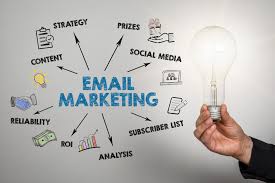
In the digital era, email marketing remains one of the most powerful and cost-effective ways to reach customers. Whether you’re a startup, small business, or established brand, email allows you to connect directly with your audience, nurture relationships, and drive sales — all at a fraction of the cost of other marketing channels.
Email Marketing: The Smartest Way to Connect With Customers
In the competitive world of digital marketing, businesses are always searching for cost-effective ways to reach their audience, build trust, and drive sales. While social media, paid advertising, and SEO all have their roles, email marketing remains one of the most powerful and reliable strategies for businesses of all sizes.
Unlike platforms where algorithms control visibility, email gives you direct access to your customer’s inbox. This makes it not just affordable but also personal, targeted, and measurable. Let’s explore why email marketing is so effective and how businesses can use it to grow.
What is Email Marketing?
Email marketing is the practice of sending commercial or informational messages directly to potential or existing customers via email. These messages can be newsletters, promotions, product launches, reminders, or even simple greetings.
The main purpose is not only to sell but also to engage, educate, and build long-term relationships with customers. Done correctly, email marketing can guide leads through the entire customer journey—from awareness to purchase to loyalty.
Benefits of Email Marketing
- Direct Communication
Unlike social media posts that might never be seen, emails land directly in the inbox, giving you a more reliable communication channel. - Highly Cost-Effective
Email campaigns require minimal investment compared to print ads or paid ads. Even with professional tools, the cost per lead is far lower than most other marketing strategies. - Personalization and Segmentation
Using customer data, businesses can segment audiences based on demographics, interests, or purchase history. Personalized emails, such as addressing customers by name or suggesting products they like, boost engagement significantly. - Measurable and Trackable
From open rates to click-through rates, every campaign is measurable. Businesses can test, improve, and repeat strategies that work best. - Strong ROI
Email marketing consistently delivers one of the highest returns on investment in digital marketing, making it a must-have in any strategy.
Popular Types of Email Campaigns
- Welcome Emails: The first impression for new subscribers, introducing them to your brand.
- Newsletters: Regular updates, blogs, or tips that keep your audience engaged.
- Promotional Emails: Discounts, offers, or special deals to boost conversions.
- Transactional Emails: Order confirmations, invoices, or shipping details that build trust.
- Re-Engagement Emails: Messages designed to win back inactive subscribers.
- Seasonal/Occasional Emails: Holiday greetings or festival offers that create a personal connection.
Best Practices for Successful Email Marketing
- Build an Organic Email List
Focus on collecting emails from genuine customers interested in your brand. Avoid shortcuts like buying email lists, which often lead to spam issues and poor engagement. - Create Catchy Subject Lines
Your subject line determines whether your email gets opened or ignored. Keep it short, clear, and attention-grabbing. - Deliver Valuable Content
Ensure your emails provide something useful—be it information, discounts, or insights. The more valuable the content, the higher the engagement. - Use Responsive Design
With most people reading emails on mobile devices, responsive designs are crucial. A poorly formatted email can lead to lost opportunities. - Always Include a Call-to-Action (CTA)
Guide readers on what to do next—buy now, read more, register, or visit your website. A clear CTA drives better results. - Test and Optimize
Conduct A/B testing for subject lines, content length, images, or CTAs. Learn what works best for your audience and continuously optimize. - Maintain Consistency
Don’t spam your subscribers but stay consistent. A predictable frequency, like weekly or monthly newsletters, keeps your brand top-of-mind.
Why Businesses Should Prioritize Email Marketing
Email marketing is not only about sending promotions—it’s about building a loyal customer base. Whether you are a small startup or a large enterprise, email campaigns help you nurture leads, retain existing customers, and encourage repeat purchases.
Moreover, with automation tools, you can save time by scheduling personalized campaigns, tracking responses, and following up with the right message at the right time. This makes email marketing a smart, scalable solution for businesses looking for long-term growth.
Final Thoughts
In a world overflowing with marketing messages, email marketing offers a rare advantage: a direct and personal connection with your audience. It is affordable, customizable, measurable, and one of the most effective ways to build relationships and drive sales.
By combining creativity, strategy, and consistency, businesses can turn simple email campaigns into powerful brand-building tools. Whether your goal is to generate leads, increase sales, or strengthen customer loyalty, email marketing can deliver outstanding results.
Key Elements of a Successful Email Marketing Campaign
- Quality Email List – Build your subscriber base with people genuinely interested in your content.
- Compelling Subject Line – Capture attention and boost open rates.
- Valuable Content – Offer useful tips, promotions, or updates your audience cares about.
- Clear Call-to-Action (CTA) – Guide readers on what to do next (buy, sign up, learn more).
- Mobile Optimization – Ensure your emails look great on any device.
Popular Types of Email Campaigns
- Welcome Emails – Greet new subscribers and set expectations.
- Promotional Emails – Announce discounts, sales, or offers.
- Newsletter Emails – Share updates, tips, and news.
- Re-engagement Emails – Win back inactive subscribers.
Best Practices for Email Marketing Success
- Use segmentation to send the right message to the right audience.
- Avoid spammy words to improve deliverability.
- Test different subject lines and layouts (A/B testing).
- Monitor performance metrics like open rates, click-through rates, and conversions.
Conclusion
Email marketing isn’t just about sending messages — it’s about building trust, providing value, and maintaining long-term relationships with your audience. By creating personalized, engaging, and well-timed campaigns, you can turn subscribers into loyal customers.