In the fast-moving world of digital marketing, businesses are always looking for quick and effective ways to drive traffic and generate leads. PPC marketing (Pay-Per-Click) is one of the most powerful tools to achieve that goal. If done right, it can bring instant results and a high return on investment.
What is PPC Marketing?
PPC, or Pay-Per-Click marketing, is a digital advertising model where businesses pay only when a user clicks on their ad. These ads appear across search engines, social media platforms, and websites, helping you connect with your target audience at the right moment. Unlike SEO, which takes time to show results, PPC campaigns drive immediate traffic and leads.
For example, when someone searches “best digital marketing agency near me,” a PPC ad can place your business at the top of Google search results, increasing your chances of attracting potential customers.
Why Your Business Needs PPC Marketing
- Instant Results – Unlike organic strategies, PPC campaigns can bring qualified traffic from the very first day.
- Highly Targeted Audience – You can choose who sees your ads based on keywords, demographics, location, interests, and even device type.
- Cost-Effective – You only pay when someone clicks on your ad, ensuring better control over budget and ROI.
- Brand Visibility – PPC ads appear on top of search results and across popular platforms like Google, Facebook, Instagram, and LinkedIn.
- Measurable Performance – With detailed analytics, you can track clicks, conversions, and ROI in real time.
Popular PPC Platforms
- Google Ads – The most widely used platform for running search ads, display ads, and YouTube ads.
- Facebook & Instagram Ads – Ideal for brand awareness, lead generation, and targeting niche audiences.
- LinkedIn Ads – Best for B2B businesses to reach professionals and decision-makers.
- Bing Ads – A cost-effective alternative with less competition than Google Ads.
- Remarketing Ads – Target users who visited your website but didn’t convert, encouraging them to return.
Key Strategies for Successful PPC Campaigns
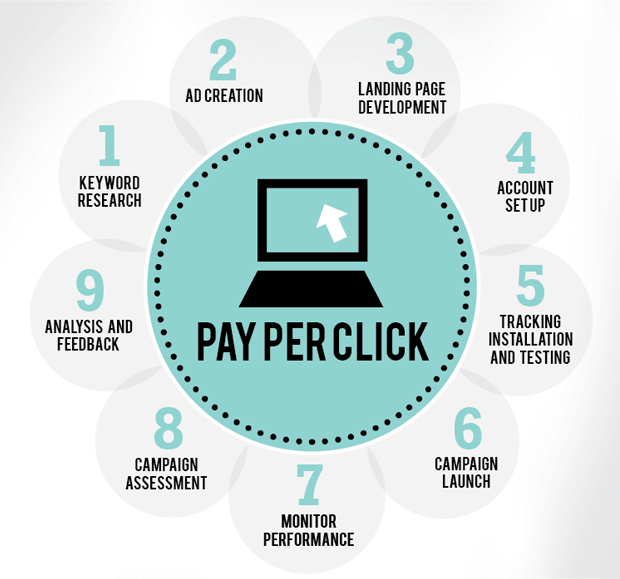
- Keyword Research – Identify high-intent and relevant keywords that match user search behavior.
- Compelling Ad Copy – Write engaging headlines and descriptions that encourage clicks.
- Landing Page Optimization – Direct visitors to well-designed landing pages that convert leads into customers.
- A/B Testing – Test multiple versions of ads to find what performs best.
- Budget Optimization – Allocate budget to high-performing campaigns to maximize ROI.
- Performance Tracking – Use analytics tools to measure CTR, conversions, and cost-per-click.
Benefits of Partnering with a PPC Marketing Agency
Running PPC campaigns requires expertise and constant monitoring. A professional PPC agency can:
- Create data-driven ad campaigns.
- Manage ad spend effectively.
- Optimize campaigns for better results.
- Provide transparent performance reports.
This ensures your business gets maximum returns while you focus on growth.
Final Thoughts
PPC marketing is one of the fastest and most effective ways to attract targeted traffic, generate leads, and boost sales. Whether you’re a small business looking for local customers or a growing brand aiming for national reach, PPC ads can be tailored to your goals and budget.
Investing in PPC today means greater visibility, faster conversions, and measurable business growth tomorrow.
Benefits of PPC Marketing
1. Instant Traffic
Unlike SEO, which takes time, PPC campaigns can generate traffic to your website within hours of launching.
2. Highly Targeted Audience
You can target your ads based on keywords, location, demographics, interests, and even device type.
3. Budget Control
With PPC, you set your own daily or monthly budget, so you never overspend.
4. Measurable Results
Every click, impression, and conversion can be tracked, giving you clear insights into your campaign’s performance.
5. Brand Visibility
Even if people don’t click your ad, PPC ensures your brand name appears in search results, improving awareness.
How PPC Marketing Works
- Choose Keywords – Select keywords related to your products or services.
- Create Ads – Write engaging ad copy that encourages clicks.
- Bid on Keywords – Decide how much you’re willing to pay for each click.
- Launch & Monitor – Run your ads and track results through analytics.
- Optimize Campaigns – Adjust bids, ad copy, and targeting to improve performance.
Tips for a Successful PPC Campaign
- Use relevant keywords with high intent.
- Write clear and compelling ad copy.
- Optimize your landing pages for conversions.
- Test different ad variations (A/B testing).
- Monitor performance and adjust regularly.
Conclusion
PPC marketing is one of the fastest ways to grow your online presence and generate leads. Whether you’re a small business or a large enterprise, investing in PPC can give you instant visibility, targeted traffic, and measurable ROI.
If you want quick results and full control over your marketing budget, PPC is the way to go.